A tracker creates an estimate
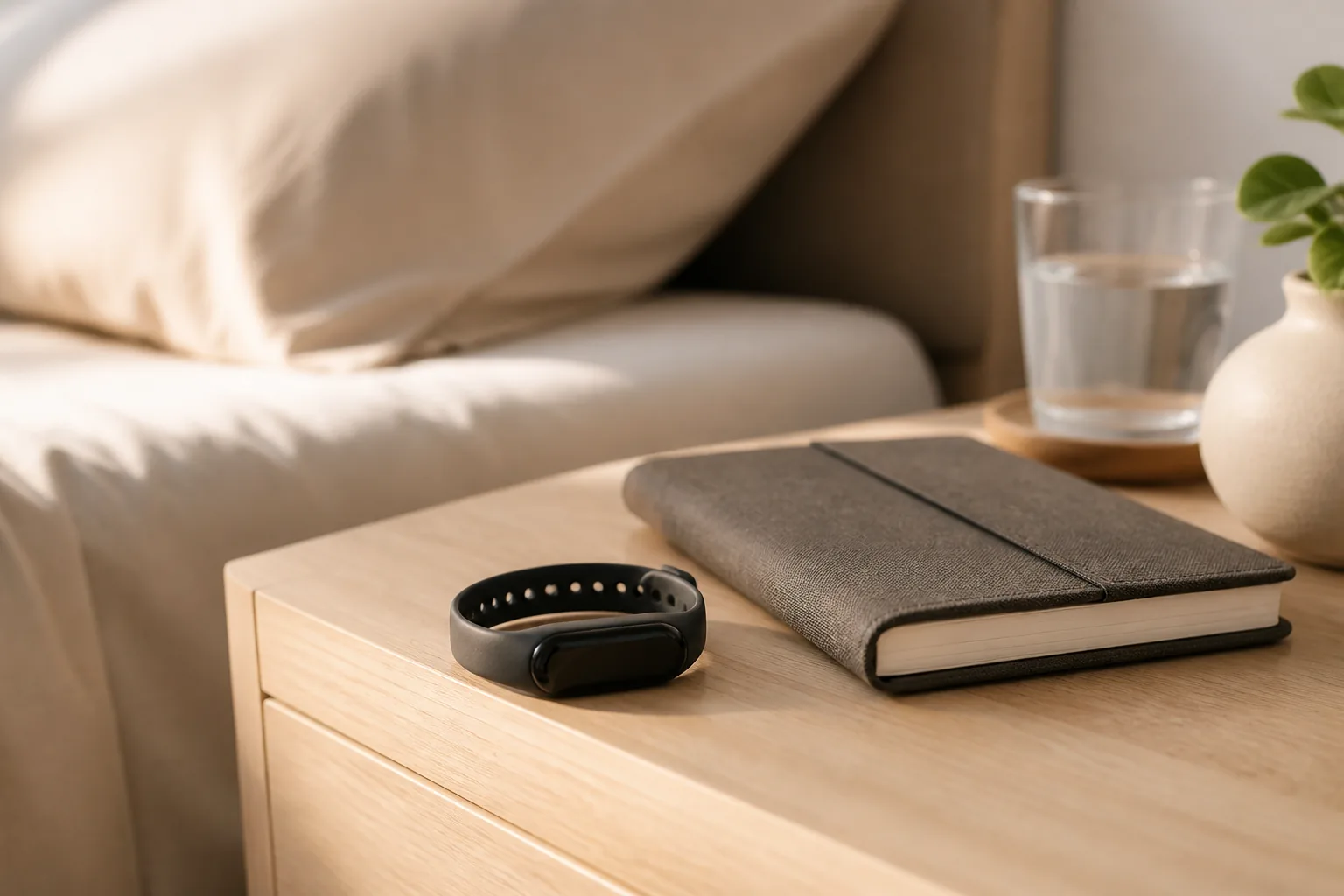
Most consumer sleep trackers use combinations of motion, heart-related signals, and software models to estimate when you are asleep and how a night may be structured. That can be useful for noticing broad patterns, but it is not the same as a clinical sleep study. A device cannot know every detail of your context, including stress, illness, a partner's report of snoring, or why you feel tired during the day.
Trends are more useful than isolated scores
One unusual night can produce an attention-grabbing result without revealing a meaningful pattern. Look at a week or longer only if the data helps you reflect calmly on routine changes. A later bedtime, travel, or a new exercise schedule may show up as a change worth noticing. The healthy use of a tracker is descriptive: it supports a question about your habits rather than creating a demand to optimize every stage.
Do not let the dashboard run the bedroom
If checking a score makes you anxious, consider reducing how often you view it or turning off the most intrusive notifications. The aim of sleep is rest, not a perfect report. Pair any device information with what you observe without a screen: regularity, daytime alertness, bedtime pressure, and whether the routine feels sustainable. A tracker is optional data, not a referee for whether you slept correctly.
Bring concerns to a person
If a device flags a concern or sleep feels persistently impaired, discuss the situation with a qualified health professional. Bring the device history as context, not as a diagnosis. DreamVanta does not interpret wearable readings medically and does not endorse a particular product. This guide is general education about the limits and practical use of consumer technology.