Light helps define the day
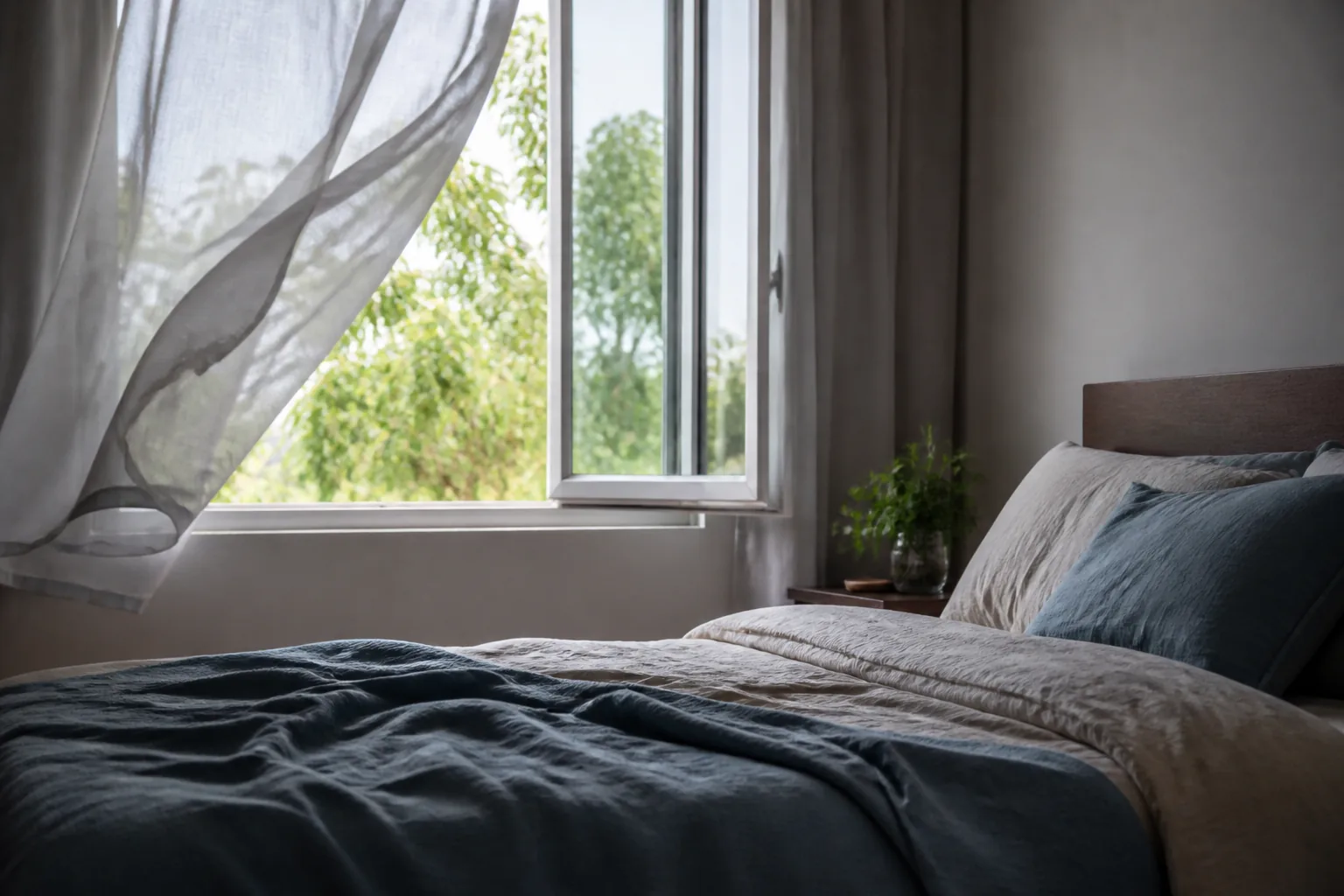
Light is one of the environmental cues that helps the body distinguish daytime from evening. That does not mean one lamp or one screen determines a whole night. It means the overall contrast of a day matters. Brighter mornings, ordinary daylight exposure, and a calmer evening environment can be practical signals within a routine that also includes work, family, travel, and personal preference.
Build a useful morning cue
Start with the easiest reliable option: open curtains while getting ready, drink a morning coffee near a window, walk outside for a few minutes, or take a short break outdoors. The goal is not to chase a precise duration. It is to give your day a recognisable beginning. Repetition matters more than intensity, and an ordinary habit that happens most days is more useful than a highly optimized ritual you cannot maintain.
Reduce the sharpest evening light
In the evening, identify the source that feels most likely to keep the day going. It might be an overhead light, a work screen, a notification-heavy phone, or a television that remains on long after you stop watching. Try one modest adjustment: use a smaller lamp, lower screen brightness, move a device out of reach, or end work messages at a set point. Keep the change realistic enough to use on a busy weeknight.
Use light as one tool, not a cure
Light is part of a broader routine, alongside sleep opportunity, stress, activity, and a bedroom that feels safe and comfortable. It should not be presented as a guaranteed fix for insomnia, shift-work strain, or another health concern. When sleep problems persist or interfere with daily life, a qualified clinician can provide individual assessment. DreamVanta explains general, evidence-informed habits and does not provide medical treatment advice.