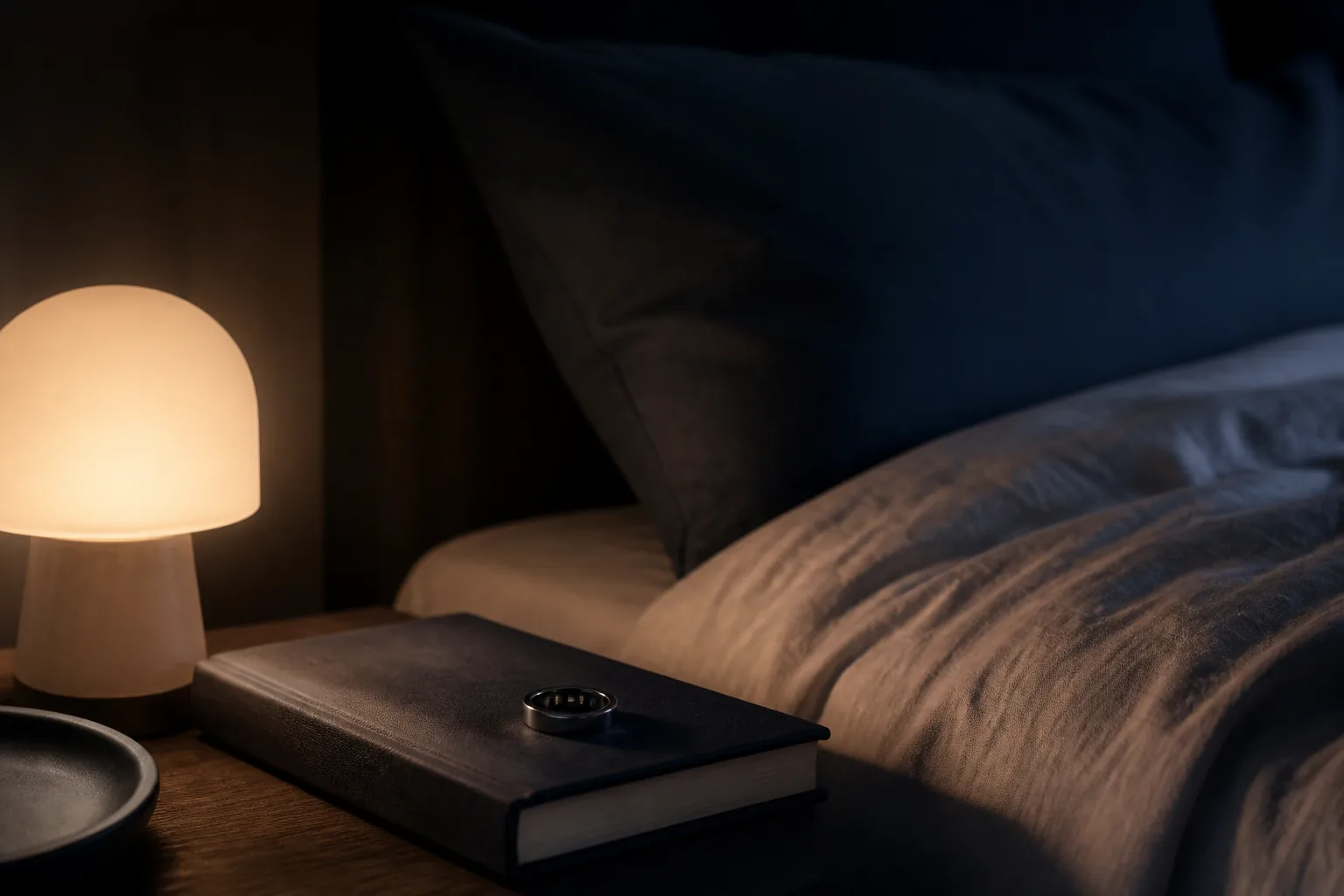
The surprise can matter more than the volume
A quiet room is helpful for many people, but complete silence is not always necessary or realistic. Sudden changes are often the more disruptive part: an alert, a door, a rattling vent, a delivery truck, or sound from another room. Thinking in terms of predictability gives you a practical place to start. You are not trying to control a city or a household; you are trying to remove the most avoidable interruptions.
Start at the nearest source
Walk through the room at the time you usually prepare for bed. Check whether a phone can vibrate on a hard surface, whether a fan rattles, whether a door leaks hallway sound, or whether a charger light is paired with a notification. Low-cost changes can be surprisingly meaningful: silence alerts, move a device away from the bed, add a soft door stop, or address a mechanical noise that has become background frustration.
Use steady sound carefully
A fan or low, steady ambient sound can make unpredictable noise less noticeable for some people. It should feel comfortable, not loud enough to create another source of strain. Try it as a reversible experiment and notice whether it makes the room feel calmer over several nights. A sound app or machine is a preference tool, not a solution for persistent sleep disruption, loud snoring, or other symptoms that warrant professional assessment.
Keep the goal modest and repeatable
Choose the interruption that bothers you most and make one change. If it helps, keep it; if it does not, move on rather than accumulating devices and rules. Bedrooms work best when they reduce friction, not when they demand constant management. This is general environmental guidance, not diagnosis or treatment for a sleep condition.